Catecholamines are a group of hormones that are released in response to stress. They are produced by the adrenal glands and nerve tissue, including the brain.
Types of catecholamines dopamine, epinephrine (adrenaline), and norepinephrine (noradrenaline).
How they work
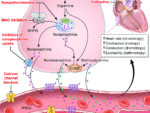
Catecholamines enter the bloodstream and trigger the body’s “fight or flight” response
This response increases blood flow to the brain and muscles, increases heart rate and blood pressure, and increases alertness
The body eliminates the remaining waste through urine
Abnormal catecholamine levels
High levels of catecholamines can cause high blood pressure, headaches, sweating, rapid heart rate, and anxiety
Low or high levels of catecholamines can indicate an underlying health issue, such as a tumor
Catecholamine tests
A urine or blood test can measure the amount of catecholamines in the body
These tests can help check for certain tumors
₹8,000.00Original price was: ₹8,000.00.₹7,800.00Current price is: ₹7,800.00.
The Chlamydia Trachomatis PCR test is a rapid and sensitive method to detect Chlamydia trachomatis bacteria in a sample, usually a swab from the genital area or urine. This test amplifies and detects the bacteria’s DNA, making it a highly accurate diagnostic tool.
Here’s a more detailed explanation:
What it detects:
The PCR test identifies the presence of Chlamydia trachomatis by amplifying specific DNA sequences of the bacteria.
How it’s done:
A sample, like a swab from the genital area or a urine sample, is taken and processed to extract the DNA. Then, a PCR reaction amplifies a specific DNA region of the Chlamydia bacteria.
Why it’s used:
This test is used when someone has symptoms of chlamydia, such as unusual discharge or pain during urination, or as part of routine STI screening.
₹4,500.00Original price was: ₹4,500.00.₹4,000.00Current price is: ₹4,000.00.