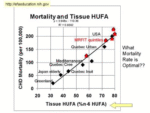
It’s believed that humans evolved on a diet with a much lower omega-6 to omega-3 ratio, possibly around 1:1.
Western Diets:
Modern Western diets are typically much higher in omega-6 fatty acids, primarily due to increased consumption of processed foods, vegetable oils, and animal products.
Health Implications:
A high omega-6 to omega-3 ratio is associated with increased risk of various diseases, including cardiovascular disease, cancer, and inflammatory and autoimmune diseases.
Omega-3 Benefits:
Omega-3 fatty acids, particularly EPA and DHA, have anti-inflammatory properties and are important for brain health and development.
Balancing the Ratio:
To achieve a healthier ratio, individuals can focus on increasing their intake of omega-3s through foods like fatty fish, flaxseeds, and walnuts, and potentially reducing their intake of omega-6 rich foods like processed foods, some vegetable oils, and certain meats.
Individual Variation:
The ideal omega-6 to omega-3 ratio can vary slightly between individuals and may be influenced by factors like age, genetics, and overall health status.
Further considerations:
Focus on the whole diet:
While the ratio is important, it’s crucial to consider the overall dietary pattern and ensure a balanced intake of all essential nutrients.
Consult with a healthcare professional:
For personalized advice on dietary changes and omega-3 supplementation, it’s recommended to consult with a healthcare professional or registered dietitian
₹5,000.00Original price was: ₹5,000.00.₹2,500.00Current price is: ₹2,500.00.
the Activated Partial Thromboplastin Time (aPTT) test, also known as Partial Thromboplastin Time (PTT), is a blood test that measures how long it takes for blood to clot, assessing the function of certain blood clotting factors in the intrinsic and common pathways of the coagulation cascade.
Here’s a more detailed explanation:
What it measures:
The aPTT/PTT test measures the time (in seconds) it takes for a clot to form in a blood sample after specific reagents are added.
Why it’s used:
It helps evaluate a person’s ability to form blood clots appropriately and can be used to:
Monitor the effectiveness of heparin, a blood-thinning medication.
Detect bleeding or clotting disorders.
Identify deficiencies in certain blood clotting factors.
How it’s performed:
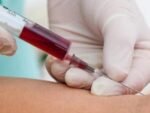
A blood sample is drawn, and the time it takes for the blood to clot is measured in seconds.
What the results mean:
A prolonged aPTT/PTT result (longer clotting time) may indicate a deficiency in one or more clotting factors, or the presence of a bleeding disorder, or the effect of heparin.
A shorter-than-normal aPTT/PTT result (faster clotting time) can also occur and may indicate a higher risk of blood clots.
Other names:
Activated partial thromboplastin time (aPTT), partial thromboplastin time (PTT), Kaolin-cephalin clotting time (KCCT).
Related tests:
Prothrombin time (PT) test, which measures a different part of the clotting system
₹550.00Original price was: ₹550.00.₹400.00Current price is: ₹400.00.